Sacramento, California

RV Pads & Heavy Parking Slabs in Sacramento, CA

An RV concentrates enormous load onto a handful of jack points and tires. A standard four-inch residential slab is not built for that, and it shows up as punched-through cracking under the jacks within a couple of seasons.

A proper RV pad is thicker, more heavily reinforced, and built over a base that was compacted for the load - plus wide enough and long enough that you are not repositioning on gravel every time you back in.

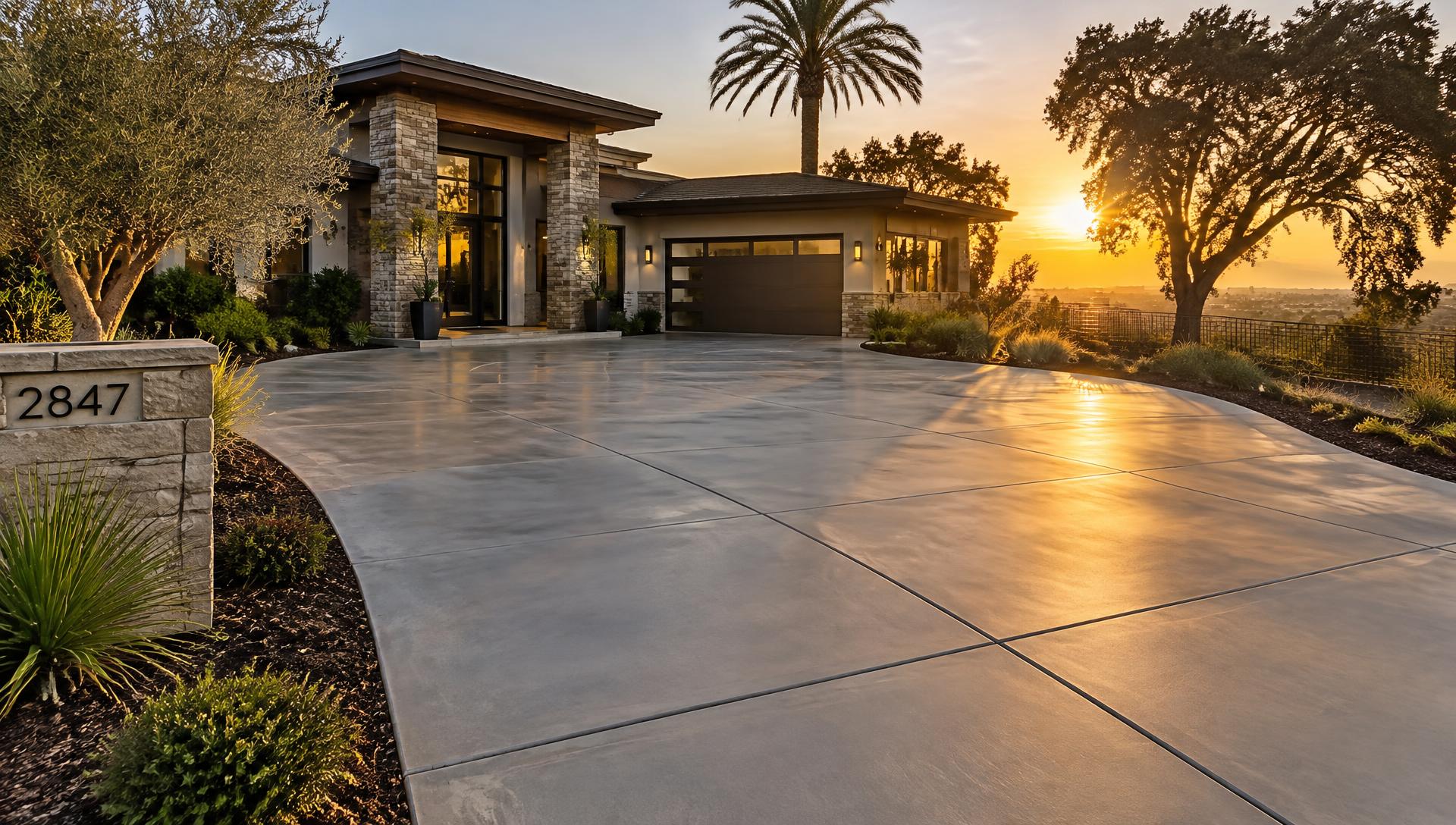
Wide reinforced concrete parking slab beside a home
Thickness
5-6"+ depending on vehicle weight and jack loading
Reinforcement
Heavier bar and tighter spacing than standard driveway work
Subgrade
Compacted to a density appropriate for concentrated point loads
Add-ons
Utility sleeves, hose bib, conduit and dump connection roughed in

Sizing the pad around the rig

We measure the actual vehicle, not a generic dimension: overall length with the hitch, width with slides and awnings deployed, and the swing path needed to get in and out without dropping a tire off the edge.

  • Length allowance for hitch, ladder and bike rack overhang
  • Width allowance for deployed slides, awning and door swing
  • Turning and backing path checked against fences, eaves and trees

Built for point loads, not just weight

The total weight matters less than how it is delivered. Leveling jacks put tons onto a few square inches. We thicken the slab and increase reinforcement in the areas where the jacks and tires actually land.

  • Thickened sections and heavier steel in jack and axle zones
  • Edge thickening so the slab does not break down at the perimeter
  • Base compaction tested for point-load performance

Drainage and surface texture

A large flat pad next to a house is a large catchment area. Slope carries water away from the structure, and a broom-textured surface gives grip when the pad is wet and you are backing a heavy vehicle.

  • Positive fall away from the house and the neighbor's lot
  • Broom finish for traction under wet conditions
  • Channel drain where a flat lot offers nowhere to send the water

Utilities roughed in while the ground is open

The cheapest time to run a conduit or a water line to the pad is before the concrete goes down. We sleeve and stub whatever you may want later - power, water, or a sewer connection for dumping.

  • Electrical conduit sleeved under the pad for a future outlet
  • Water line and hose bib stubbed at a usable location
  • Sewer cleanout or dump connection roughed in where applicable

In depth

RV Pads & Heavy Parking Slabs in Sacramento, explained properly

Designing for a point load, not a car

A loaded motorhome or a fifth wheel concentrates weight on a handful of jack pads and tires rather than spreading it like a passenger vehicle. That changes everything about the slab: thickness, reinforcement, subgrade stiffness and edge detail. We build these pads heavier, keep the steel positioned correctly through the section, thicken the edges where wheels track on and off, and make sure the base is compacted to carry the load rather than merely to fill the hole. A four inch driveway section under a coach cracks along the jack line within a season or two.

Turning radius, approach and getting the rig on the pad

Plenty of well built pads are barely usable because the approach was never measured. We check the turn from the street, the swing past the side of the house, gate width, overhead clearance from branches and service drops, and the length needed with the tow vehicle attached. Where the approach is tight we widen the apron or shape the edge so tires do not drop off. It is much cheaper to solve on paper at the site walk than to discover on the first attempt to park.

Utilities, washdown and drainage at the pad

Owners usually want power, water and sometimes a sewer cleanout at the pad. Those are sleeves and stub ups that must be placed before the pour, at heights and positions that match the coach's hookup side. We also slope the pad so washdown water and rain leave rather than pooling under the rig, since standing water under a parked coach is what keeps the undercarriage and the slab surface deteriorating.

What we build to

Standards and specifications on every rv pads & heavy parking slabs project

  • Increased slab thickness and reinforcement for concentrated jack loads
  • Compacted engineered base carried past the pad edge
  • Thickened edge where wheels transition onto the slab
  • Conduit and plumbing sleeves placed before concrete

What goes wrong elsewhere

The failures we are called in to replace

  • Pouring an RV pad at standard driveway thickness
  • No allowance for the approach turn or gate width
  • Utility stub ups placed on the wrong side of the pad
  • Flat pad with no fall, leaving water standing under the coach
  • Edge unsupported, so it breaks the first time a tire rides over it

Local conditions

How Sacramento ground changes this work

Larger lots in Elk Grove, Lincoln, Wilton and the Antelope area make RV storage at home practical, and those same areas are where expansive clay demands the heavier subgrade work that a concentrated load requires.

Before you call, it helps to have

  • Measure the rig length, width and height with the tow vehicle
  • Note the hookup side and the utilities you want at the pad
  • Check overhead clearance along the entire approach
  • Confirm any HOA or setback limits on parking location
877-889-1187

Questions

RV Pads & Heavy Parking Slabs - frequently asked

Still unsure? Call 877-889-1187 and describe the site. We would rather talk you out of unnecessary work than sell it to you.

Five to six inches or more, with heavier reinforcement than a car driveway. The exact section depends on the loaded weight of the rig and how the leveling jacks concentrate it.

Talk to a concrete contractor who works in Sacramento every day

Describe the slab, the site and what is going wrong. You will get a straight answer about what the work involves - including when we think you do not need us.

Mon-Sat 7:00 AM - 6:00 PM · Sacramento, Elk Grove, Roseville, Folsom & surrounding valley

Call 877-889-1187